
Megan T., Upper Happy Valley
“The freezer was fine but the fresh-food side crept to 50. He confirmed it was airflow, not the compressor, after a packed condenser cleaning on our hillside Upper Happy Valley home. No upsell to a sealed-system job.”
Not-cooling hub
A Sub-Zero that stops cooling in Lafayette is most often an airflow problem, so Lafayette Sub-Zero Appliance Repair records the fresh-food and freezer temperatures and checks condenser airflow and the door gasket across Upper Happy Valley and 94549 before any sealed-system part is named. Call (925) 940-3576 for an evidence-first triage.
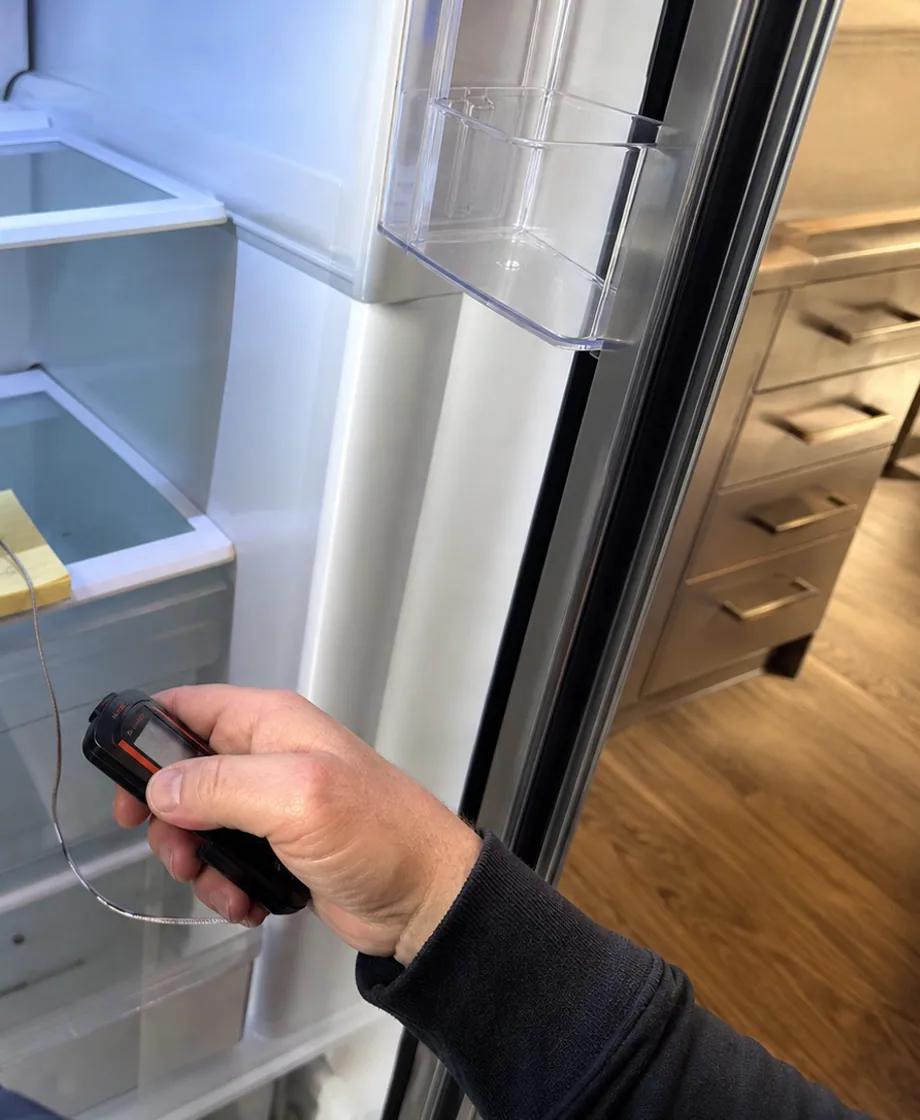
A Sub-Zero not cooling in Lafayette should be triaged by fresh-food temperature, freezer temperature, alarm timing, condenser airflow and gasket condition before expensive parts are discussed. Happy Valley heat, Reliez Valley dust and pre-event food risk make a temperature timeline more useful than repeated resets.
| Scenario | Urgency | Safe owner action | Technician evidence |
|---|---|---|---|
| Fresh-food warm or freezer softening | Same day or next day depending on food risk | Record fresh-food and freezer readings, then stop repeated resets. | Fan response, condenser condition, gasket line, thermistor and frost pattern. |
| Freezer softening | High | Move food and note any visible frost or fan noise clues. | Evaporator fan, defrost path, sealed-system evidence and electrical data. |
| Wine column drifting | Medium to high for collections | Log target and actual zone readings before moving bottles. | Door seal, sensor, airflow, fan and control response by model family. |
| Ice maker hollow cubes | Routine unless leaking | Keep a cube sample and note filter or water-pressure changes. | Fill tube, inlet valve, module, freezer temperature and water path. |
| Cabinet pull-out risk | Prepared visit | Have floor transitions and lower grille access details ready. | Panel fasteners, water line slack, power access and safe reseat plan. |
| Wine / food risk | Threshold | Next step |
|---|---|---|
| Fresh food above 40 F for 2+ hours | Food-safety risk | Move perishables, record readings and request prepared diagnosis. |
| Freezer softening above 20 F | Escalating loss risk | Protect food, note any visible frost pattern and stop repeated resets. |
| Wine zone 4-8 F above set point | Collection stability risk | Log zone, target, actual reading and door-open history before parts are ordered. |
| Warm unit before guests arrive | Event timing risk | Record the model tag, temperatures, alarm state and cabinet access details if they are safely available. |
| Electrical smell, breaker trip or active leak | Safety risk | Stop using the appliance and request urgent guidance instead of testing it further. |
Published planning ranges
| Service in Lafayette | Published planning range | Time window | Service note |
|---|---|---|---|
| Diagnostic / service call | $175-$250 | 45-90 min | Includes model, temperatures, airflow and visual checks. |
| Door gasket / frost-line repair | $450-$950 | 1-3 hours | Depends on model, hinge condition and gasket availability. |
| Ice maker / water line repair | $275-$850 | 1-3 hours | Separates valve, fill tube, filter, module and temperature causes. |
| Control board / sensor diagnosis | $350-$1,250 | 1-4 hours | Quoted only after model-specific electrical proof. |
| Compressor / sealed system | $1,600-$3,800 | 2-6 hours plus parts | Requires pressure and electrical evidence before quote. |
Planning ranges help Lafayette homeowners compare likely repair paths. Final quote depends on model, part availability, cabinet access, water-line condition and confirmed diagnosis.
Customer Reviews
Recent feedback from Lafayette, Happy Valley and Reliez Valley homeowners after Sub-Zero Sub-Zero not cooling diagnostic service.
“The freezer was fine but the fresh-food side crept to 50. He confirmed it was airflow, not the compressor, after a packed condenser cleaning on our hillside Upper Happy Valley home. No upsell to a sealed-system job.”
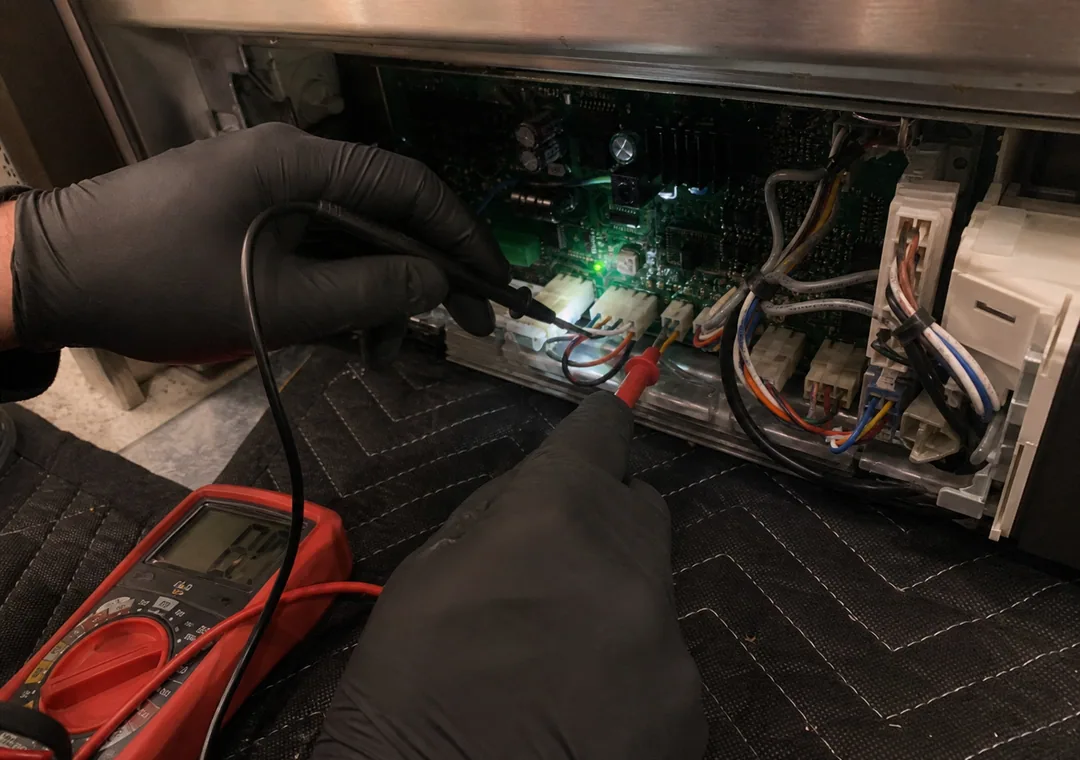
“Walked me through the not-cooling triage step by step, checked the evaporator fan and defrost cycle, and showed me the readings on his meter. Temperature has held steady in our Burton Valley kitchen since.”
“Same-day visit because I had the model number and both temps ready when I called. Turned out to be a defrost sensor, not the worst case I feared. Straight answers throughout.”
| Symptom | First safe check | Possible causes | Detailed page |
|---|---|---|---|
| Fresh-food warm, freezer OK | Record both temperatures and listen for fan behavior. | Airflow restriction, evaporator fan, thermistor, gasket or damper issue. | Sealed-system screening |
| Both compartments warm | Check grille blockage, recent power event and alarm timing. | Condenser airflow, compressor start issue, control failure or sealed-system evidence. | Cost ranges |
| Frost line or condensation | Photograph door edge and gasket corners. | Door gasket, hinge alignment, panel weight or air leak. | Gasket guide |
| Runs constantly | Look for dust at lower or upper grille without disassembly. | Condenser restriction, fan problem, warm room load or sealed-system issue. | Maintenance calendar |
| Alarm returns after reset | Photograph display before another reset. | Sensor, door, airflow, temperature recovery or control evidence. | Alarm guide |
Owner safety
Do not keep clearing alarms just to make the display quiet. The timing of the alarm, the temperature at the moment it appeared and the recovery behavior after the door closes are useful evidence. Repeated resets can erase that story. The repair preparation checklist lists exactly which readings to capture before the display is touched.
Do not force a cabinet pull-out. A warm Sub-Zero may need condenser, fan or sealed-system access, but the safe path starts with the model number, grille condition and cabinet clearance. Pulling before planning can damage floors, panels or water lines. When the readings point past quick fixes, evidence-first Sub-Zero service in Lafayette picks up exactly where this triage leaves off.
Lafayette route logic
Hillside access, larger built-in kitchens and pre-event scheduling make model-tag details and cabinet access notes useful before the route is set.
Afternoon heat, dust and route timing can change whether same-day triage or next-day prepared service is more realistic.
Family kitchens often need practical freezer, ice maker and gasket checks that protect floors and panels during routine service.
Homes near the Lafayette-Moraga Trail benefit from clear parking, gate and access notes so tools reach the built-in safely.
Visible answers
Record fresh-food and freezer temperatures, note the model-tag details if safely visible, check for blocked grille airflow, note door-seal gaps and write down alarm timing before any reset. Do not force a built-in out of the cabinet or keep resetting a warm unit just to clear the display.
That pattern often points to airflow, evaporator fan, damper, gasket, sensor or frost-pattern issues before a full sealed-system conclusion. Record both compartment temperatures and fan behavior so the visit starts with evidence.
Do not use defrosting as a blind fix. If frost is visible without disassembly, note where it appears. A temporary thaw can hide whether the cause is airflow, defrost control, gasket leakage or sealed-system performance.
Yes. Dry-season dust and pet hair can reduce condenser heat transfer, especially in built-in cabinets with restricted grille airflow. That can imitate more serious failures, so condenser visibility and fan behavior should be checked early.
It is urgent when food is above 40 F, freezer contents are softening, a wine zone is drifting several degrees or an event is within 24-48 hours. Record the model, temperatures, alarm state and cabinet details if they are safely available.
Yes. A gasket leak or hinge alignment issue can admit warm air, create frost or condensation and force longer run times. The door line should be checked before a high-cost cooling part is quoted.
Both compartments warming, abnormal frost pattern, compressor symptoms, electrical readings and poor recovery after airflow checks can point toward sealed-system testing. The page avoids quoting compressor work without that evidence.
Call now or book online for a diagnostic visit.